
United States, 2nd Sep 2026 - Businesses today have access to an extraordinary amount of information. Sales activity, customer interactions, project timelines, operating expenses, service demand, marketing performance, and internal workflows all generate data that can reveal important details about how an organization is performing. Yet simply having access to that information doesn't necessarily make a company more informed.
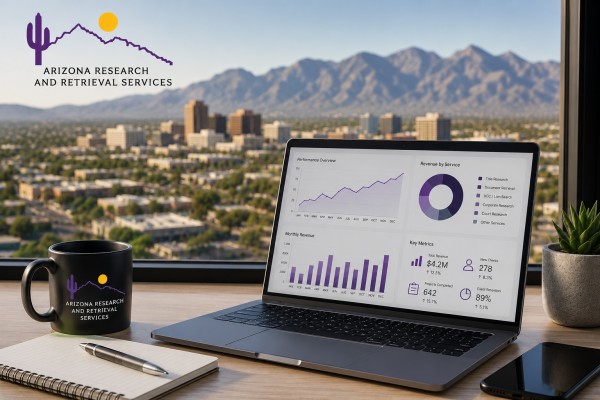
The real advantage comes from knowing which information matters and using it to guide meaningful decisions. Business analytics can help leaders identify emerging trends, uncover inefficiencies, better understand customers, evaluate profitability, and make more informed plans for the future. When data is combined with experience and sound judgment, it can become a valuable tool for building a more efficient and competitive organization.
Move Beyond Collecting Data
Many companies already collect substantial amounts of information through accounting software, customer relationship management platforms, websites, project management systems, sales tools, and internal databases. The problem is that much of this information may never be examined beyond routine reporting.
Effective analytics requires moving from simply recording information to asking what the information can reveal. Instead of knowing only how much revenue the company generated, leadership might examine which services produced that revenue, how profitable those services were, whether demand is increasing, and which types of clients are most likely to return.
The numbers become useful when they provide context that helps leadership understand what's happening within the business.
Ask Better Questions Before Looking at the Numbers
One of the best ways to make analytics more useful is to begin with a business question rather than a spreadsheet.
If customer retention has declined, the question might be why clients aren't returning. If expenses are increasing, management may want to determine which costs are growing fastest. If projects are taking longer to complete, the company may need to identify where delays are occurring.
Questions worth exploring might include:
- Which services generate the strongest margins?
- Where are workflow delays occurring?
- Which customers generate repeat business?
- Are operating expenses increasing faster than revenue?
- Which services are experiencing greater demand?
- How quickly are client requests being completed?
- Where are errors or revisions occurring most frequently?
- Which marketing activities are producing qualified opportunities?
Starting with a clear question helps businesses focus on information that can actually influence a decision.
Measure Performance That Supports Business Goals
Businesses can measure hundreds of different metrics, but trying to monitor everything often creates more confusion than clarity. A better approach is identifying a smaller number of measurements that directly support the organization's priorities.
A growing company may focus on new-client acquisition, sales conversion rates, revenue growth, capacity, and customer retention. A service organization focused on operational improvements may pay closer attention to turnaround times, productivity, accuracy, workload, and profitability.
The most important metrics can also change as the business evolves. Measurements that were valuable during a period of rapid expansion may be less important once leadership shifts its attention toward profitability or operational efficiency.
Recognize Patterns Before They Become Problems
Analytics becomes particularly valuable when information is examined over time. One unusual result doesn't necessarily indicate a meaningful change, but a pattern often deserves attention.
A single month of slower turnaround times may result from temporary circumstances. A steady increase over several months could point to capacity limitations, staffing issues, inefficient procedures, or increased service complexity. Similarly, losing one client is a normal part of business, while a continuing decline in customer retention may indicate a larger issue.
Monitoring trends allows businesses to recognize changes earlier and investigate their causes before they have a greater impact on operations or customers.
Find Opportunities to Improve Workflow Efficiency
Every additional step in a business process requires time and resources. When workflows involve multiple people, software platforms, approvals, documents, or outside organizations, even relatively small inefficiencies can become significant as volume increases.
Analytics can help companies identify where work slows down or where unnecessary effort is being repeated. Useful measurements might include processing time, completion rates, employee workload, error frequency, revisions, and the amount of time required at individual stages of a project.
Once a bottleneck is identified, management can determine the appropriate response. The solution may involve simplifying procedures, improving communication, providing additional training, redistributing workloads, integrating technology, or automating repetitive tasks.
For organizations involved in research and document-intensive work, improvements in workflow can be especially important because efficiency must be balanced with accuracy and reliability.
Understand the True Value of Services and Customers
Revenue is an important business measurement, but it shouldn't always be viewed in isolation. Two services generating similar revenue can have dramatically different levels of profitability once labor, administrative requirements, technology, revisions, and outside costs are considered.
The same principle applies to customer relationships. A large account may produce considerable revenue but require extensive support, while several smaller long-term customers may collectively provide greater profitability with fewer administrative demands.
Analyzing factors such as service profitability, client retention, average order value, repeat business, workload, and support requirements can help leadership develop a more complete understanding of where the organization is creating value.
That knowledge can influence decisions about pricing, staffing, marketing, service expansion, and future investment.
Use Customer Behavior as a Source of Insight
Some of the most valuable business information comes directly from customers. Repeat orders, service requests, reviews, complaints, response times, surveys, and customer-support interactions can reveal patterns that financial reports alone may never show.
If clients consistently ask the same questions, the company's communication process may need improvement. If one stage of service repeatedly generates complaints or delays, the workflow may require attention. If demand for a particular service begins increasing, the company may have identified an opportunity for expansion.
Customer feedback becomes even more powerful when combined with measurable performance data. Analytics can reveal what is happening, while customer conversations can often provide greater insight into why it is happening.
Make Forecasting More Informed
Planning for the future will always involve uncertainty, but historical business data can provide a stronger foundation for forecasting.
Reviewing past sales, service demand, expenses, project volume, seasonal patterns, staffing requirements, and customer behavior can help businesses anticipate future needs. Recognizing predictable periods of higher activity, for example, may allow management to adjust staffing or resources before demand increases.
Historical trends can also help with budgeting, technology investments, inventory decisions, marketing expenditures, and capacity planning. Analytics won't eliminate uncertainty, but it can reduce the amount of planning based purely on assumptions.
Use Technology to Make Information More Accessible
Modern business technology can make analytics considerably more useful by bringing information together from different parts of an organization. When systems integrate effectively, companies can reduce duplicate work, improve information consistency, streamline processes, and gain better visibility into overall performance.
For research and information-service organizations, integrated technology can be particularly valuable when large numbers of requests, searches, records, and documents must move through established workflows. Better visibility can help management understand workload, identify delays, monitor performance, and improve the movement of information throughout the organization.
Technology should still serve the business process rather than define it. Before adding another platform or automation tool, companies should understand what problem they're trying to solve and determine whether the technology meaningfully improves that process.
Don't Remove Human Judgment From the Equation
Data can provide valuable evidence, but numbers don't always explain the circumstances surrounding them. A report may show that project completion times increased without explaining that an outside agency changed its procedures. Expenses may rise because the business intentionally invested in additional employees or technology. Customer demand may shift because of broader economic or industry changes.
This is where experience remains essential. Leaders can combine analytical information with industry knowledge, employee feedback, customer conversations, competitive conditions, and professional judgment to understand the larger picture.
Data-informed decision-making shouldn't mean allowing software to make every decision. It means giving experienced people better information with which to make those decisions.
Create a Repeatable Analytics Process
The greatest value from analytics comes when businesses use it consistently rather than reviewing numbers only when something goes wrong. Establishing a routine process can help leadership recognize changes earlier and evaluate whether previous decisions are producing the desired results.
A practical analytics process might include:
- Define the business objective.
- Determine which measurements support that objective.
- Establish a consistent review schedule.
- Compare current results with historical performance.
- Identify meaningful changes or trends.
- Investigate possible causes.
- Implement an appropriate response.
- Measure the results of that change.
That final step closes the loop. If a company changes a workflow, pricing model, staffing level, marketing strategy, or technology system, continued measurement can help determine whether the decision actually improved performance.
Turn Information Into Action
Analytics creates the most value when it leads to action. A company may discover that one service is significantly more profitable than another, that customer demand is shifting, that a particular workflow is causing delays, or that certain clients have unusually high retention rates. Each finding can become the starting point for a business decision.
The goal isn't to turn every decision into a mathematical equation. Businesses still depend on strong leadership, knowledgeable employees, dependable processes, and positive customer relationships. Analytics provides another layer of visibility that can help those people make more informed choices.
Organizations that learn how to identify meaningful information and apply it effectively can become better equipped to improve efficiency, understand customers, allocate resources, recognize opportunities, and prepare for future growth.
Better data alone doesn't create a better business. Knowing what to do with that data can.
Frequently Asked Questions About Business Analytics
How can analytics help a business make better decisions?
Analytics can help leadership identify trends, compare performance over time, recognize operational inefficiencies, understand customer behavior, evaluate profitability, and measure the results of previous decisions. This provides additional evidence that can be considered alongside professional experience and judgment.
What types of business data are most valuable to track?
The most useful information depends on the company's objectives. Common measurements include revenue, profitability, customer retention, service demand, project turnaround time, operating costs, productivity, error rates, sales conversions, and customer satisfaction.
Can analytics help improve operational efficiency?
Yes. Tracking workflow performance can help businesses identify recurring delays, excessive processing time, workload imbalances, errors, and unnecessary steps. Once these patterns are visible, leadership can determine whether changes in procedures, staffing, training, technology, or automation could improve efficiency.
Learn More About Arizona Research & Retrieval Services
Arizona Research & Retrieval Services provides research and retrieval solutions for businesses requiring accurate, dependable information, including title research, document retrieval, UCC and lien searches, corporate research, court research, and related services.
Learn More About Arizona Research & Retrieval Services
Arizona Research & Retrieval Services provides Title Search and Document Retrieval Services, Resware and Qualia Integration, and provides and related research services for businesses requiring accurate and dependable information.
This article is written only for general interest purposes and should not be considered professional or legal advice.
Media Contact
Organization: Arizona Research & Retrieval Services
Contact Person: Office Manager
Website: https://azretrieval.com
Email: Send Email
Country:United States
Release id:48679
The post Turning Business Data into Smarter Decisions and Stronger Results appeared first on King Newswire. This content is provided by a third-party source.. King Newswire is a press release distribution agency. We do not accept any responsibility or liability for the accuracy, content, images, videos, licences, completeness, legality, or reliability of the information contained in this article. If you have any complaints or copyright concerns related to this article, please contact the company listed in the ‘Media Contact’ section above.